How to Build a Private-Label Baby Feeding Set SKU Specification
A private-label baby feeding set is easier to source when the buyer treats it as a system of SKUs with one naming rule, one material policy and one compliance file per item.
1. Give every item a stable SKU name
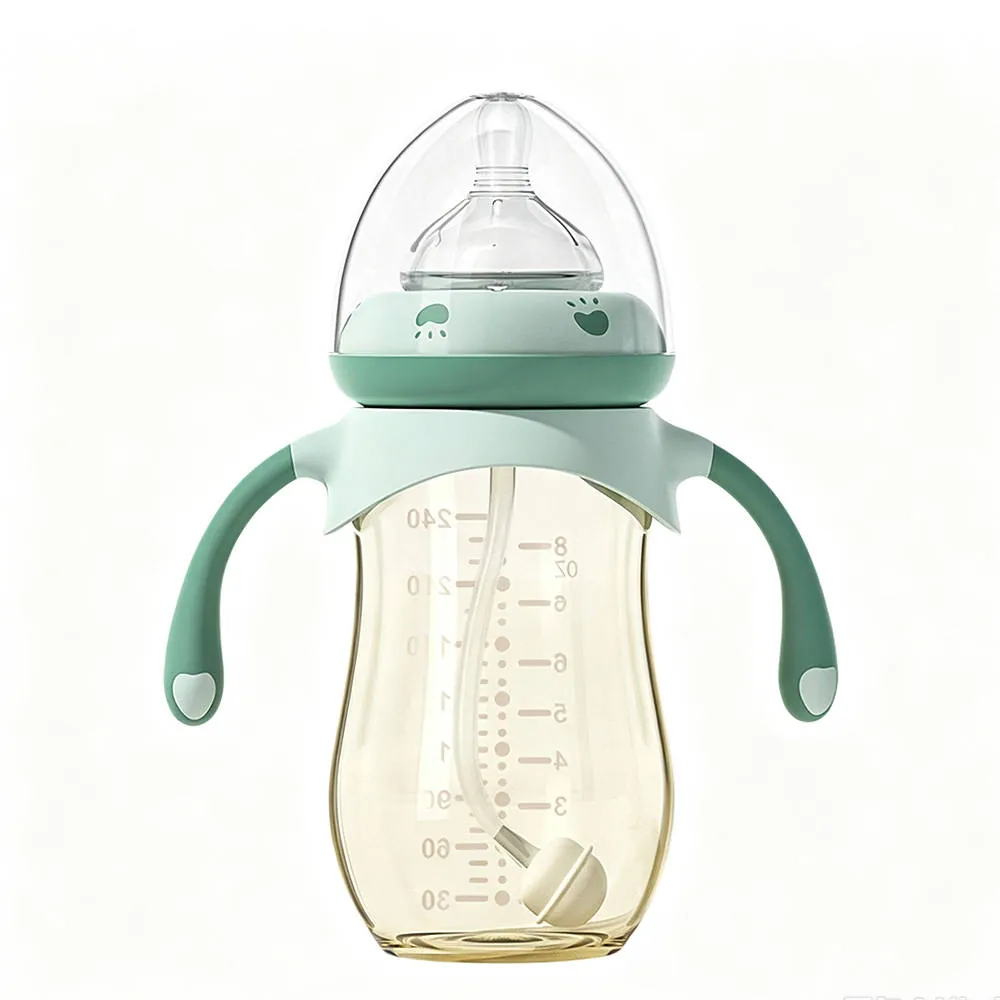
Use one naming rule across the set: material + product type + capacity + color. For example: PPSU-240ml-Blue. Stable names prevent mismatches between your catalog, the factory order, and the carton labels.
2. Split the set into its components
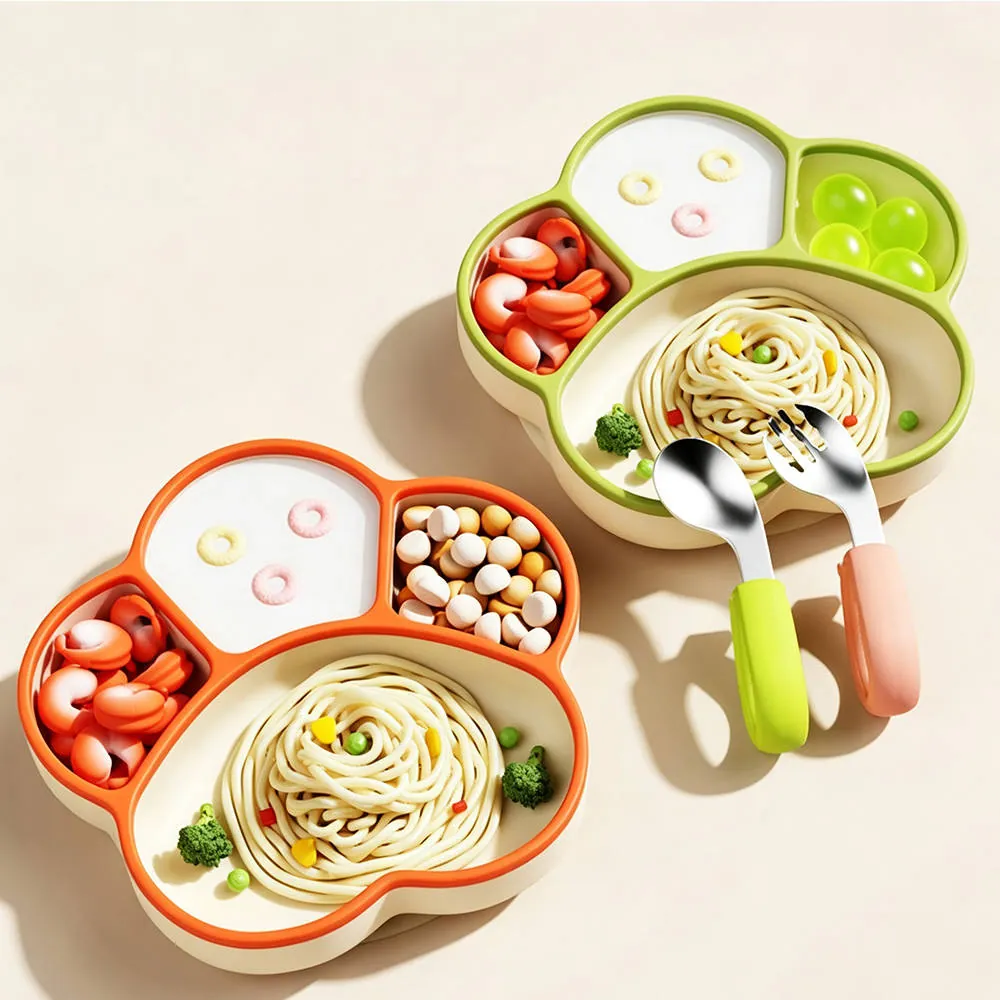
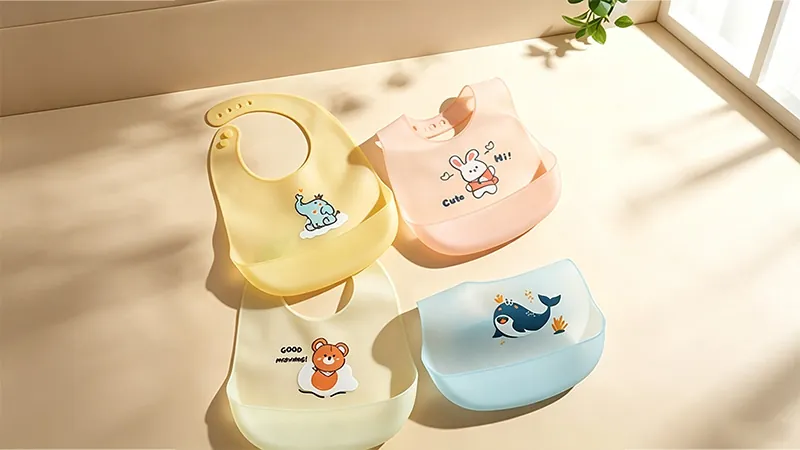
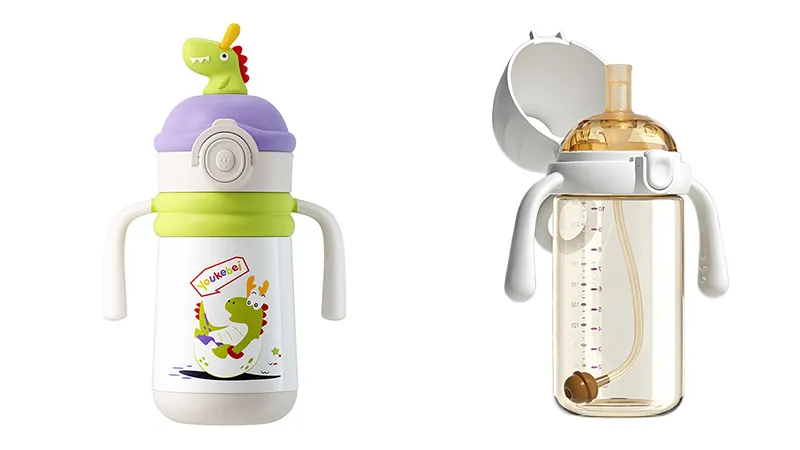
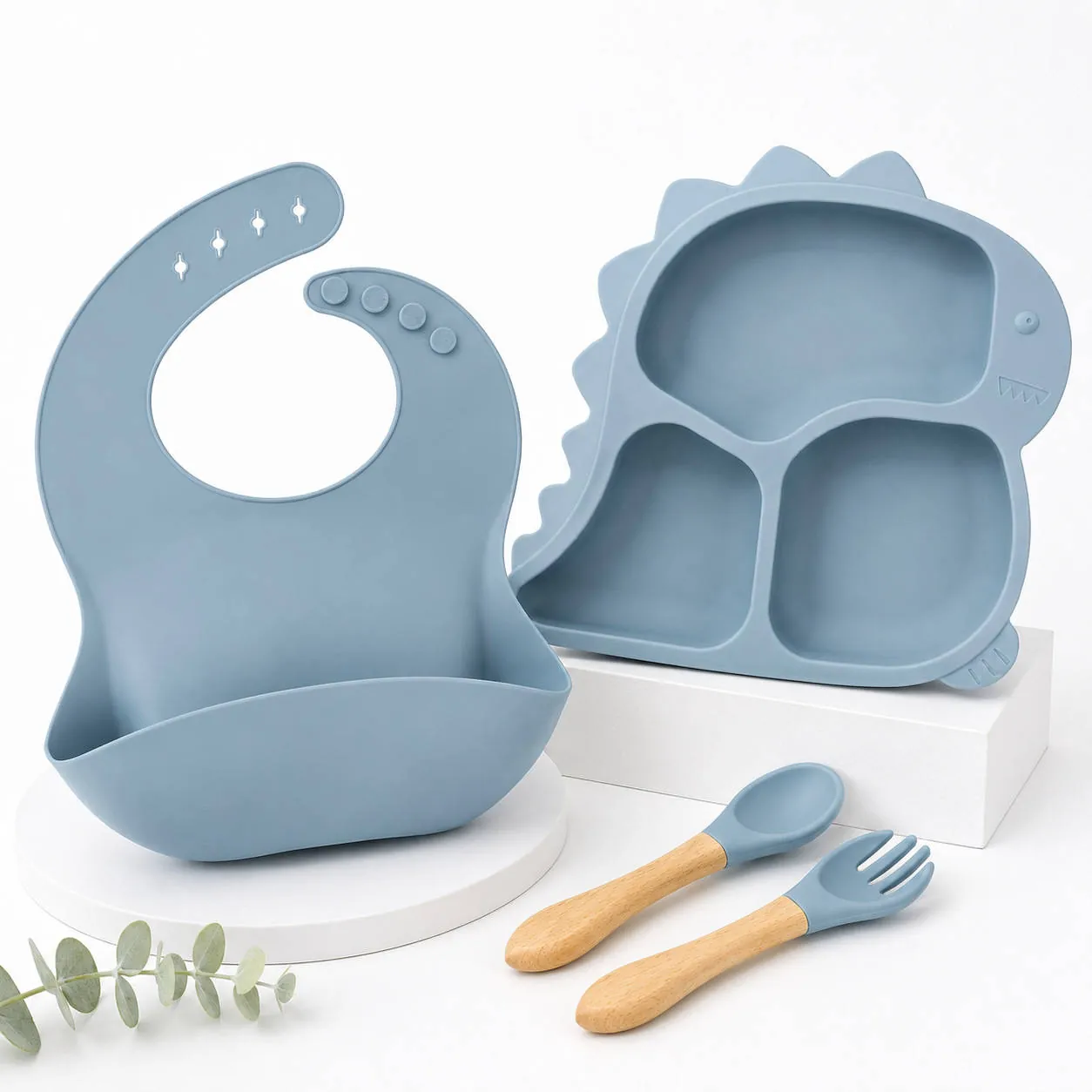
A feeding set usually contains a bowl, a plate, a cup and a spoon. Each component has its own mold, material and test report. List them as separate rows in your specification sheet so approvals and documents stay clean.
3. Set one material policy for the whole set
Food-grade silicone for contact parts, BPA-free PP or Tritan for rigid parts, 304 or 316 stainless for any metal. One policy per set makes the compliance file much easier to assemble.
4. Define colors as codes, not names
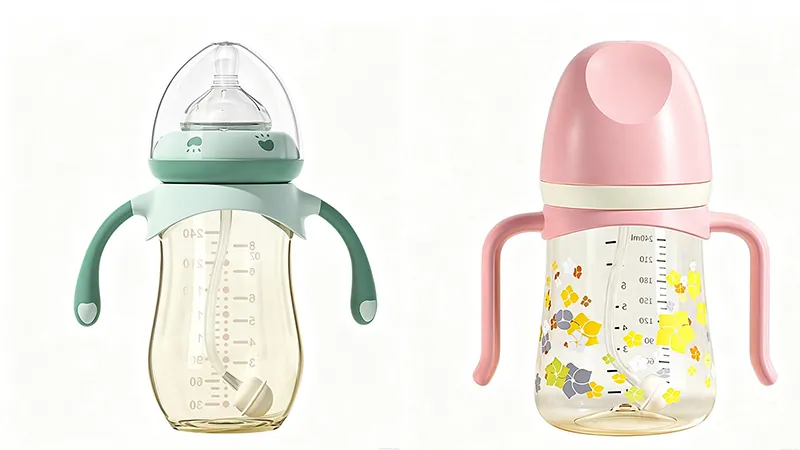
Color names drift between factories. Use Pantone or RGB references for every color in the set, including accessories. 'Mint' from one supplier is not the same mint from another.
5. Include packaging in the same spec
Carton type, insert, label position, barcode and multilingual text should be part of the SKU specification, not a separate conversation. Buyers who bundle product and packaging specs get faster quotes and fewer rework rounds.
6. Attach the compliance file to the spec
Note the target market for each SKU and the test standard that applies (LFGB, FDA, EN14350, etc.). Your factory can prepare the right documentation when the market is part of the specification.