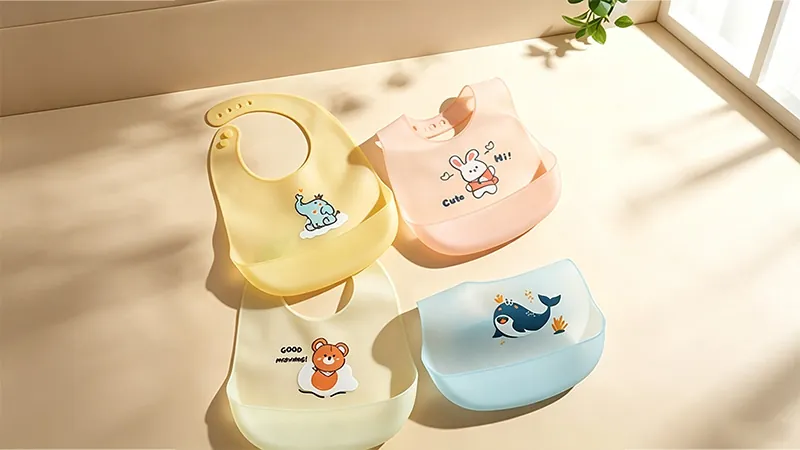
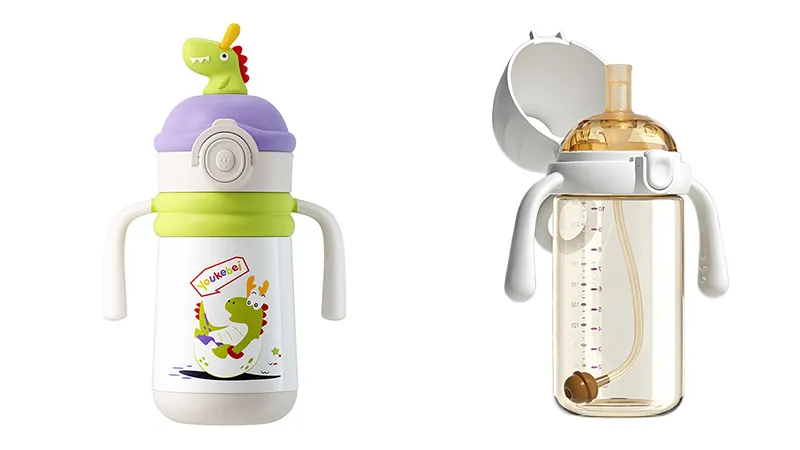
Private Label Baby Tableware Packaging Guide: 7 Decisions Before You Order
Packaging decisions work best when they are made alongside the product brief, rather than after the feeding set is finalized. Here are the seven packaging questions every private-label buyer should answer first.
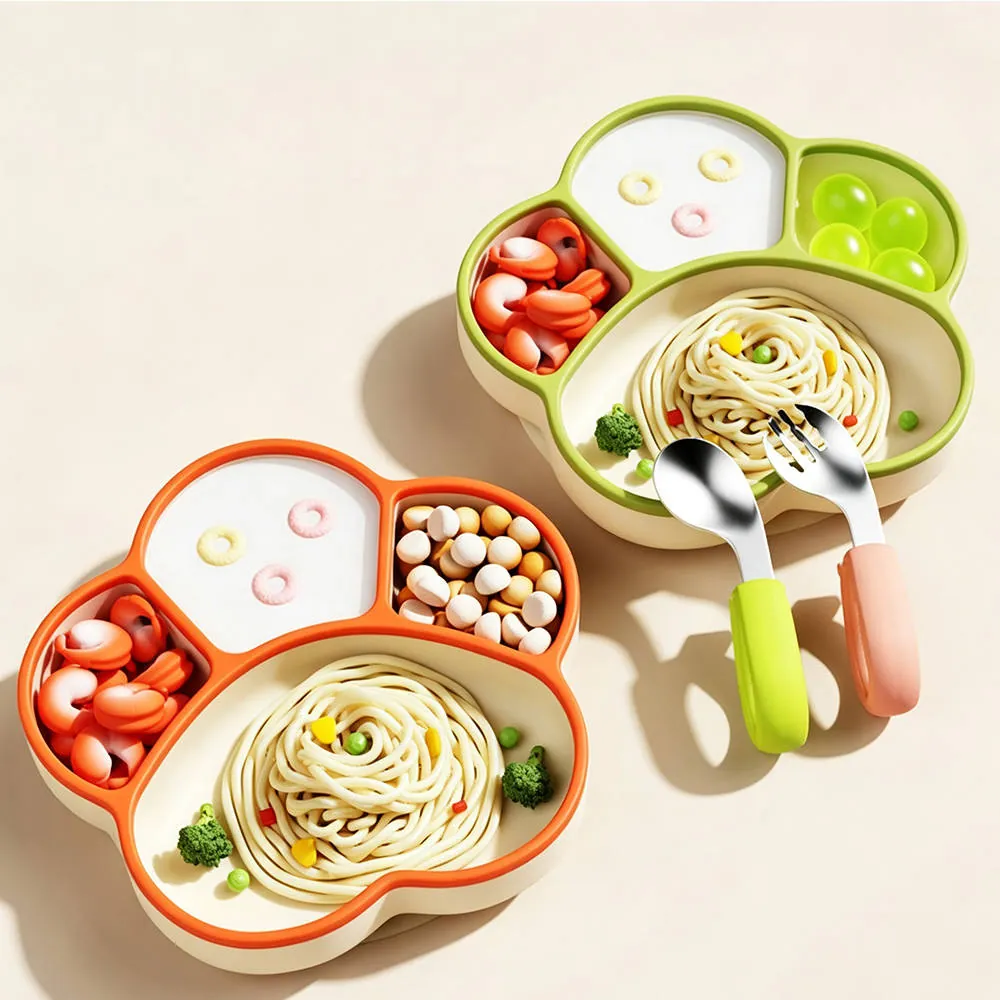
1. Define the retail or fulfilment route first
Packaging for a supermarket shelf is different from packaging for an e-commerce fulfilment center. Shelf packaging needs barcode-ready retail packs and hangability; e-commerce packaging prioritizes protective, lightweight cartons and easy repackaging.
2. Choose materials against cost, not just looks
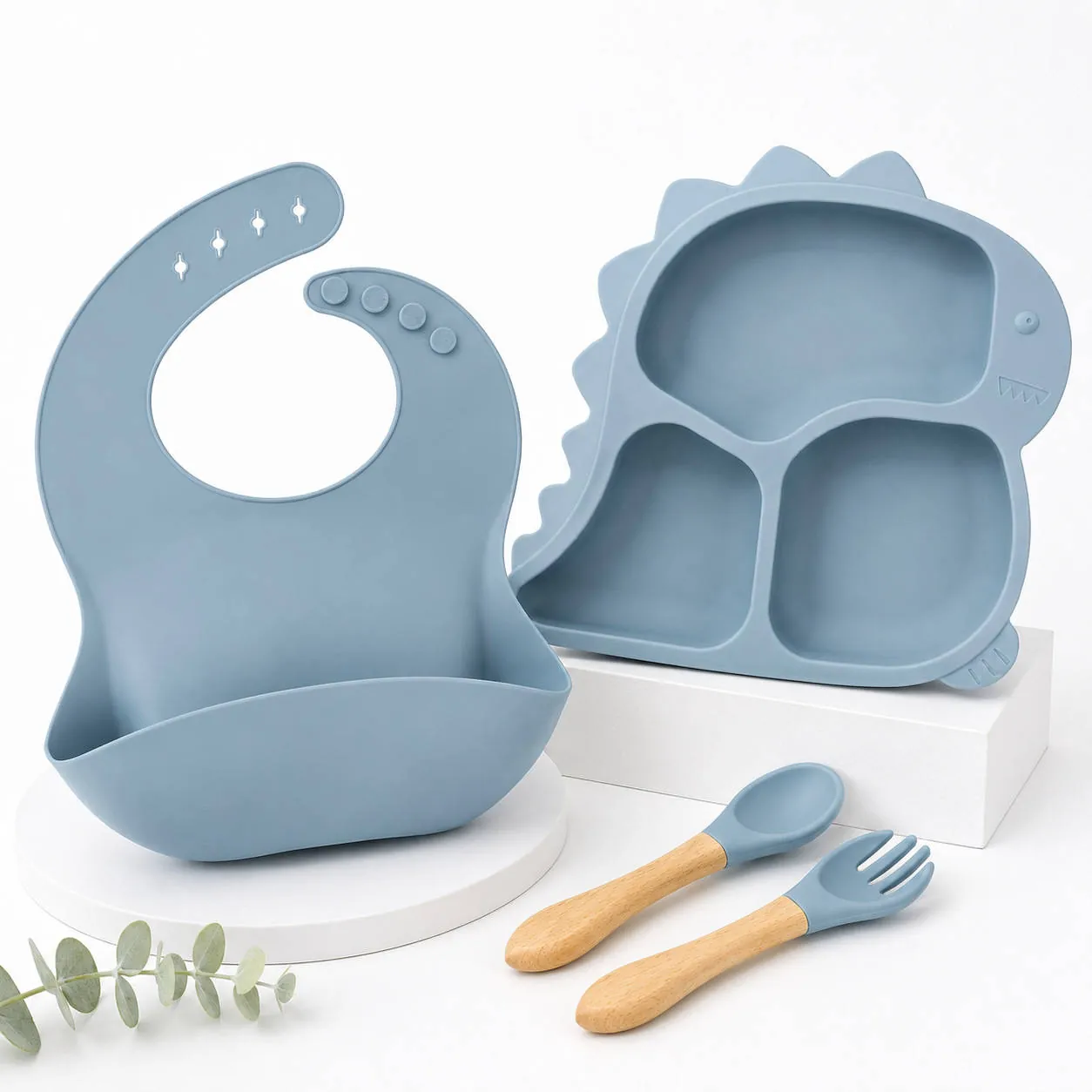
Printed folding cartons are the most economical. Window cartons show the product. Rigid or magnetic boxes raise perceived value for gifting programs. Silicone tableware can often ship in a simple eco-friendly kraft box without sacrificing shelf appeal.
3. Confirm print and color specifications in writing
Send CMYK or Pantone references, and approve a digital proof before the first print run. Include the logo file format (vector preferred) and the minimum size rules for your brand.
4. Plan multilingual labels early
If you sell into more than one market, ask for label layouts that support multiple languages from the start. Retrofitting a second language onto approved packaging is one of the most common causes of rework.
5. Agree on MOQ per packaging component
Cartons, inserts, labels and stickers each have their own minimum order quantity. Ask the factory for a per-component MOQ list so you can plan first orders without surprises.
6. Test the pack before the container
Ask for a packed sample: product, insert, label, carton, and outer case together. Check fit, drop resistance and how the pack opens. A 5-minute test now prevents hundreds of customer complaints later.
7. Keep a packaging file per SKU
Store the approved proof, color reference, dimensions and component MOQ in one file per SKU. When you reorder, you can send the factory the file and receive an identical pack.