Baby Bottle Market Trends 2026: PPSU, Glass and Silicone
The baby bottle market keeps growing even where birth rates are flat. The driver is not more babies — it is more spend per baby. Here is what is actually shifting in 2026, and what it means if you are sourcing private-label feeding products.
1. The material line has moved
BPA-free stopped being a selling point a few years ago. It is now the entry ticket — what a buyer assumes before the conversation starts. The pressure that pushed it down to table stakes is now pushing harder on the materials behind it, and the concern is not additives but what heat does to the plastic itself.
Three material families have separated from the pack:
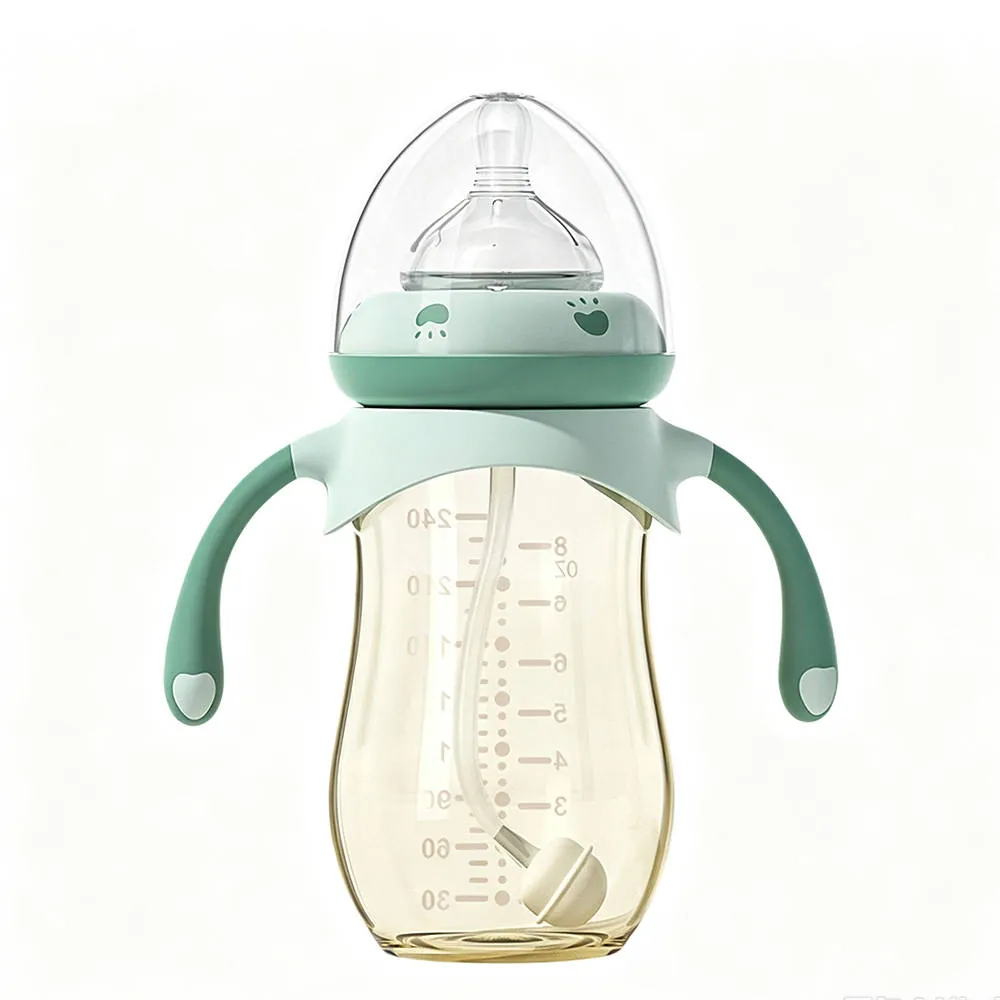
- PPSU — survives repeated steam sterilisation without deformation, and takes a drop. It has moved from premium option to expected default in the mid and upper tiers. The sourcing risk is not the resin specification but batch consistency: the same grade from two suppliers does not always mould the same, which shows up as warping and wall-thickness variation.
- Borosilicate glass — chemically inert, no odour, no leaching question at all. It still owns the newborn stage. Its weakness has always been weight and breakage, and the answer the market settled on is a silicone sleeve or coating that also does double duty as a grip.
- Liquid silicone rubber (LSR) — chosen for the weaning transition, where the teat has to feel close enough to the breast that a baby accepts the change. Its share keeps climbing for exactly that reason.
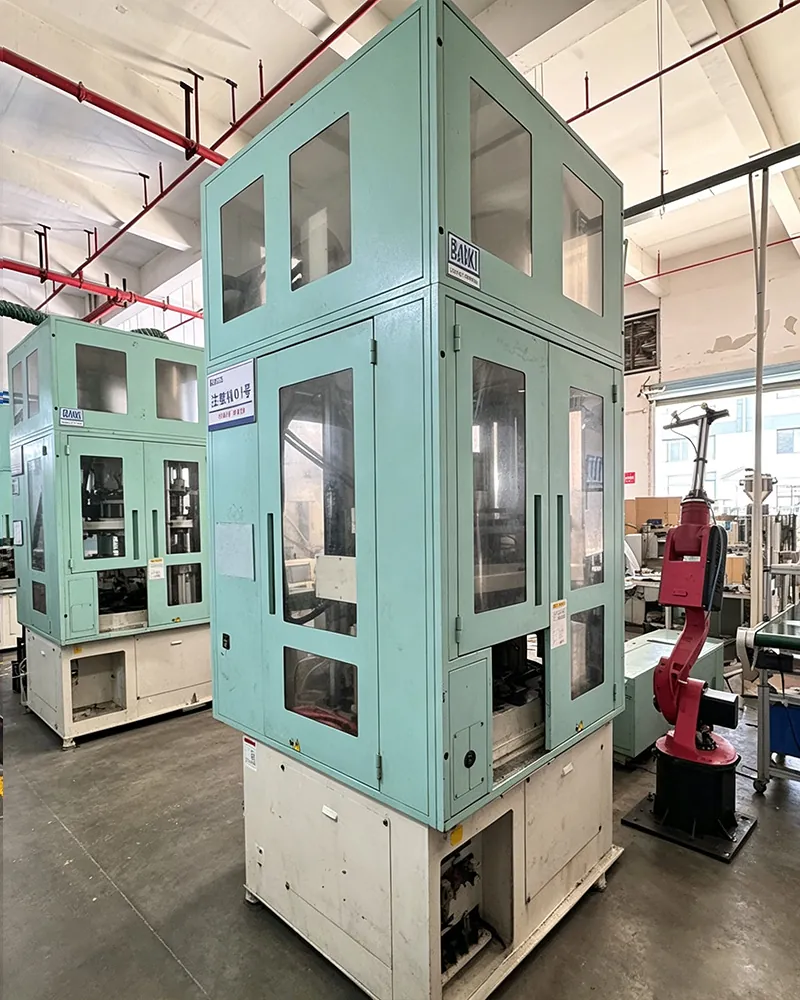
At KOBOY the moulding is done in-house — PPSU and PP injection moulding and platinum-cured LSR, on our own tooling. Borosilicate glass bodies are made by a partner glassworks and sit in the same range. See PPSU bottles, glass bottles and silicone products.
2. Anti-colic has become an engineering problem, not a marketing one
The first generation of anti-colic bottles vented air through a hole in the side of the teat. It works, but it produces micro-bubbles in the milk, which is the thing you were trying to avoid.
The current generation separates the air path from the liquid path entirely — a vent channel that runs down the inside of the bottle, or a one-way valve in the base. The milk column stays continuous and the baby is not swallowing air with it.
What changed commercially is that the claims are now being tested. Brands are commissioning clinical work with paediatric researchers rather than asserting the benefit, and the buyers who matter have started asking for the study rather than the slogan.
3. From a single bottle to a feeding system
The brands growing fastest in this category are not selling one bottle. They are selling a system: bottle, pump, warmer and steriliser that share a neck standard, so the whole set works together and the customer keeps buying into it.
Two design decisions drive it:
- Modular conversion. A convertible collar turns the same bottle body into a training cup, a milk storage jar or a food container as the child grows. It extends the product's useful life, and it gives the brand a reason to sell accessories long after the first purchase.
- Shared interfaces. Once the neck thread and the collar are standard across a range, every new SKU inherits the tooling of the last one. That is a tooling-cost story as much as a customer story.
4. What this means if you are sourcing
- Ask about material consistency, not material name. "PPSU" on a spec sheet says very little. Ask which grade, and ask what the factory's rejection rate is on wall thickness.
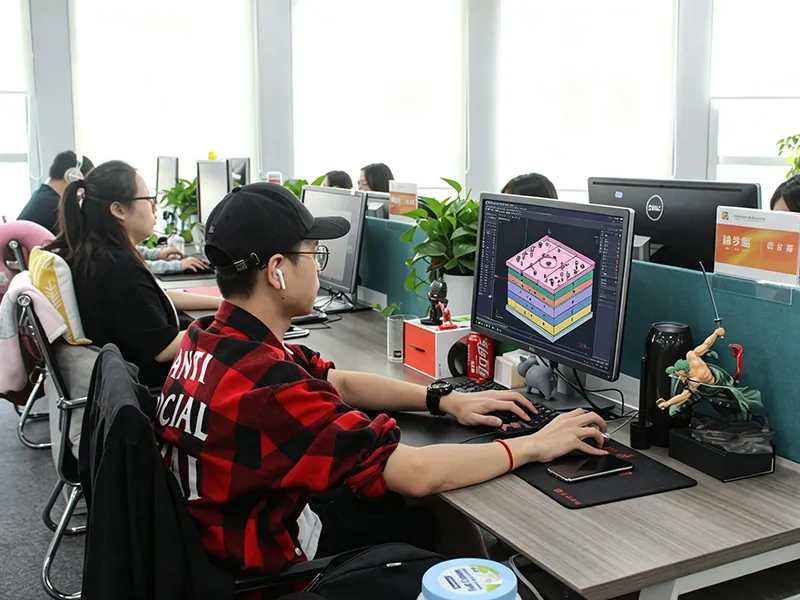
- Treat tooling as the real differentiator. A factory that owns its mould shop can cut a trial insert for a new teat shape in days. A factory that subcontracts tooling cannot, and the delay lands on your launch date.
- Plan the second SKU before you place the first order. If the neck standard is not shared from the start, everything you add later needs its own tooling.
| Material | Best for | Main trade-off |
|---|---|---|
| PPSU | Daily feeding, steriliser use, drop resistance | Higher unit cost; moulding consistency matters |
| Borosilicate glass | Newborn stage, odour-free feeding | Weight and breakage; needs a sleeve |
| LSR silicone | Teats, weaning transition, tableware | Higher material cost; post-curing adds a step |
| PP | Volume programmes, cost-sensitive lines | Shorter service life under repeated sterilisation |
Where KOBOY fits
We mould PPSU, PP and LSR in-house on our own tooling — ten production workshops under one roof in Yunfu, Guangdong. Borosilicate glass bodies are made by a partner glassworks and sold in the same range. If you are planning a feeding range rather than a single product, the factory capabilities page shows what we do and where the limits are.
Send us your target market and the material you have in mind, and we will tell you what is straightforward, what is expensive, and what we would not recommend.